

The complete guide
How To Choose A Kids Play Tent That Actually Gets Used
The problem with most play things
Walk into any family home and you will find a graveyard of toys that got ten minutes of attention. Something lights up, makes a noise, then sits under the sofa for a year. The toys that survive are usually the ones that do not tell the child what to do. A play tent sits firmly in that second group. It is a doorway and a roof, and everything else is up to whoever crawls inside.
The trouble is that tents vary a lot in how often they actually get used. Some are a nightmare to put up, so they stay in the box. Some are so big that nobody can face setting them out in a normal living room. Some are so dark inside that a nervous three year old backs straight out again. The ones that work are easy, bright and quick to put away.
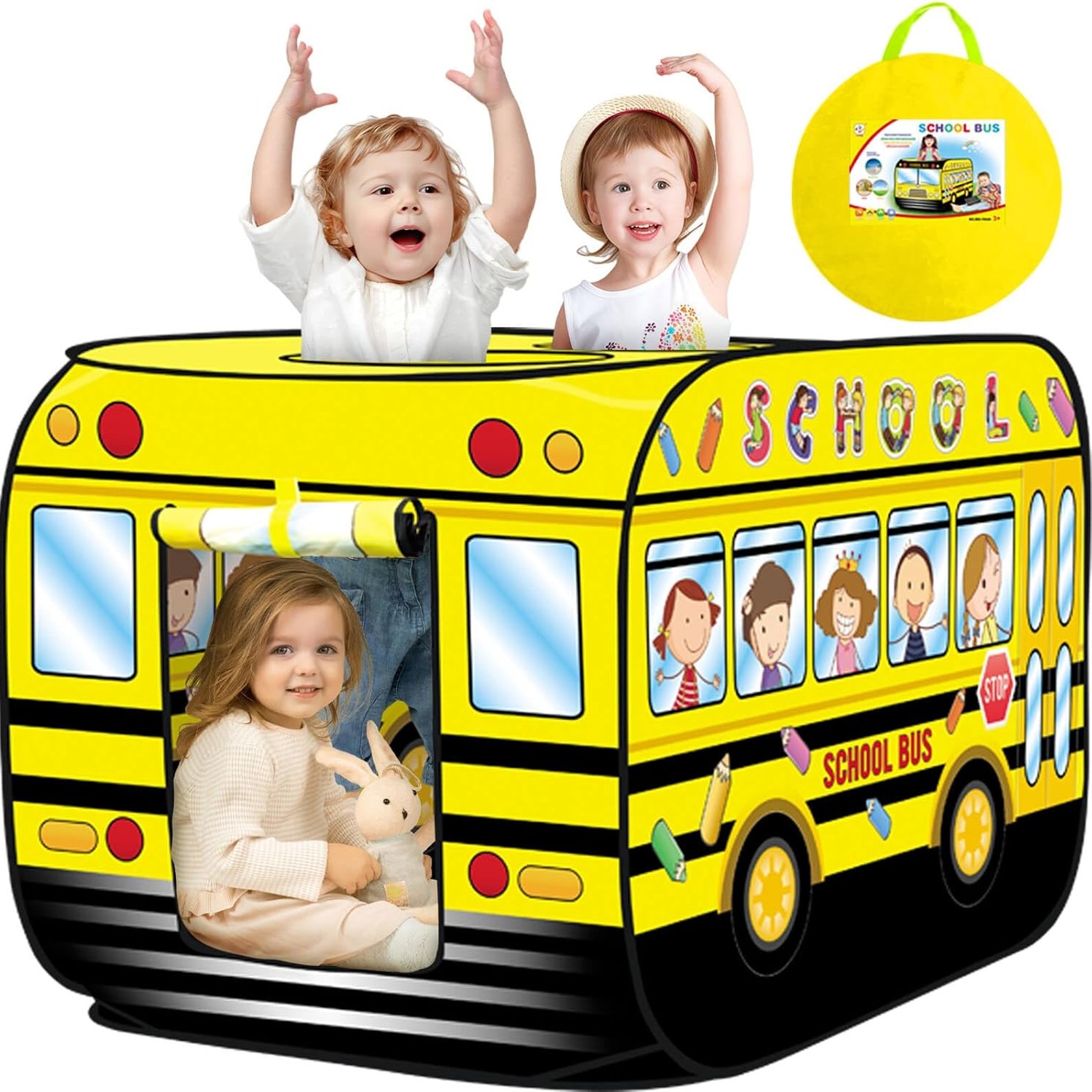
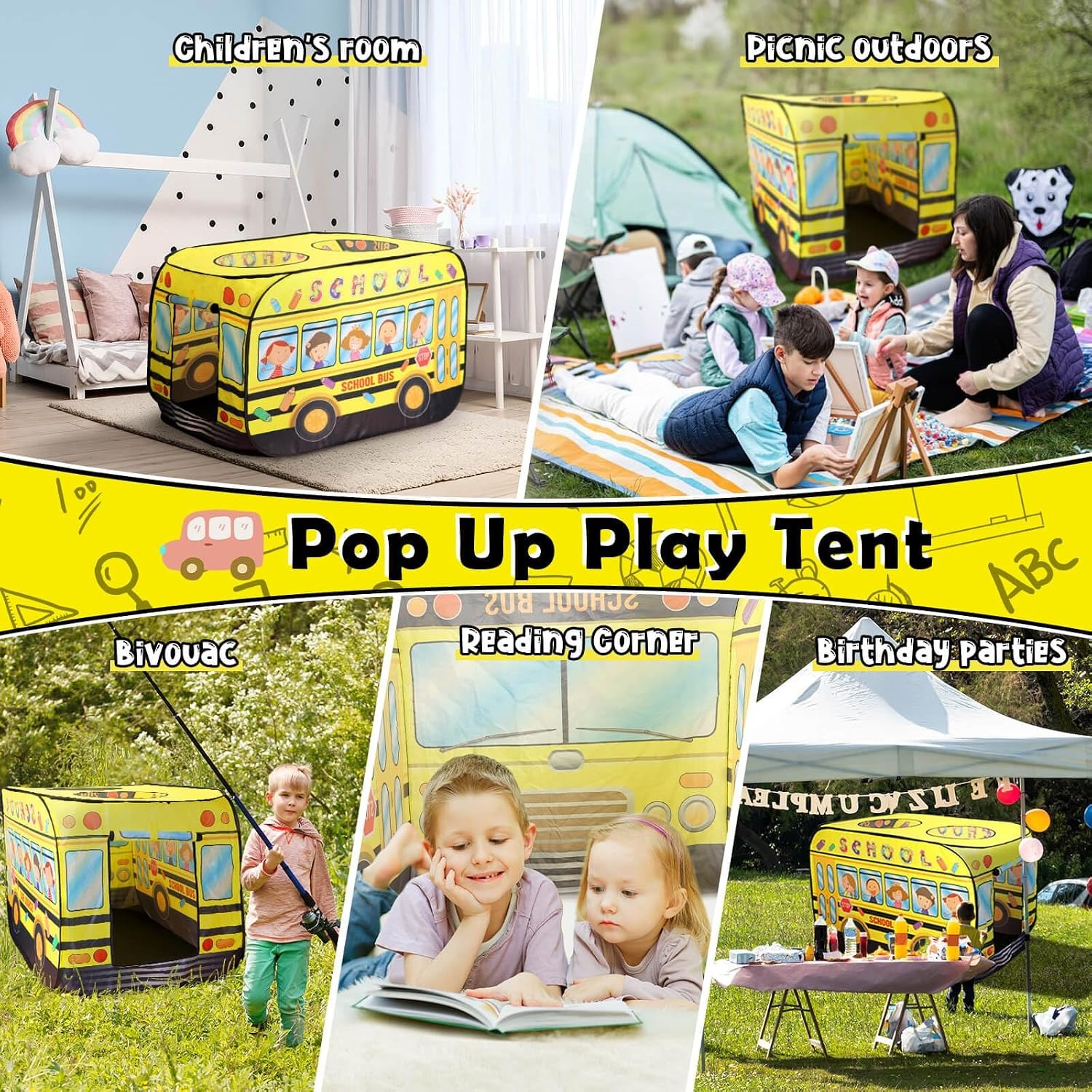
This is where a pop up truck play tent earns its keep. The truck theme does half the imaginative work. A child does not need to decide what the tent is, because it already looks like something, and from there the deliveries, the road trips and the breakdowns write themselves.
How a pop up play tent works
The design is straightforward. Fabric panels are stitched into a shape, and a frame holds that shape up. On this the maker model the fabric is a polyester and nylon mix and the frame is steel, which is a sensible pairing. Steel resists the bending that children cause when they lean on the walls, and the fabric stays light so the whole thing can be carried by one adult.
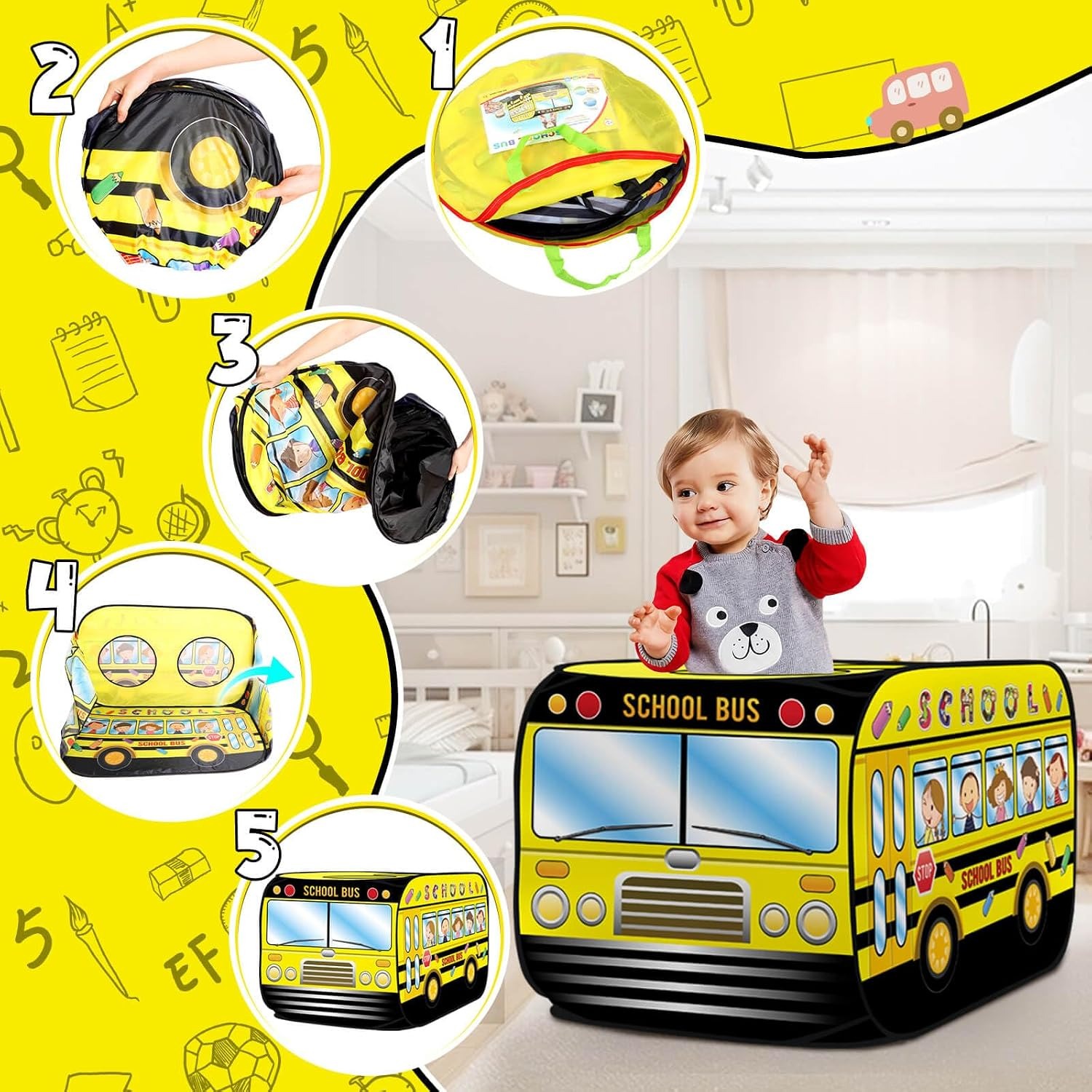
Assembly is listed as not required. That phrase matters more than it sounds. It means you are not sorting poles into size order on the carpet while a child asks if it is ready yet. You unfold it, let it take shape, and the job is done.
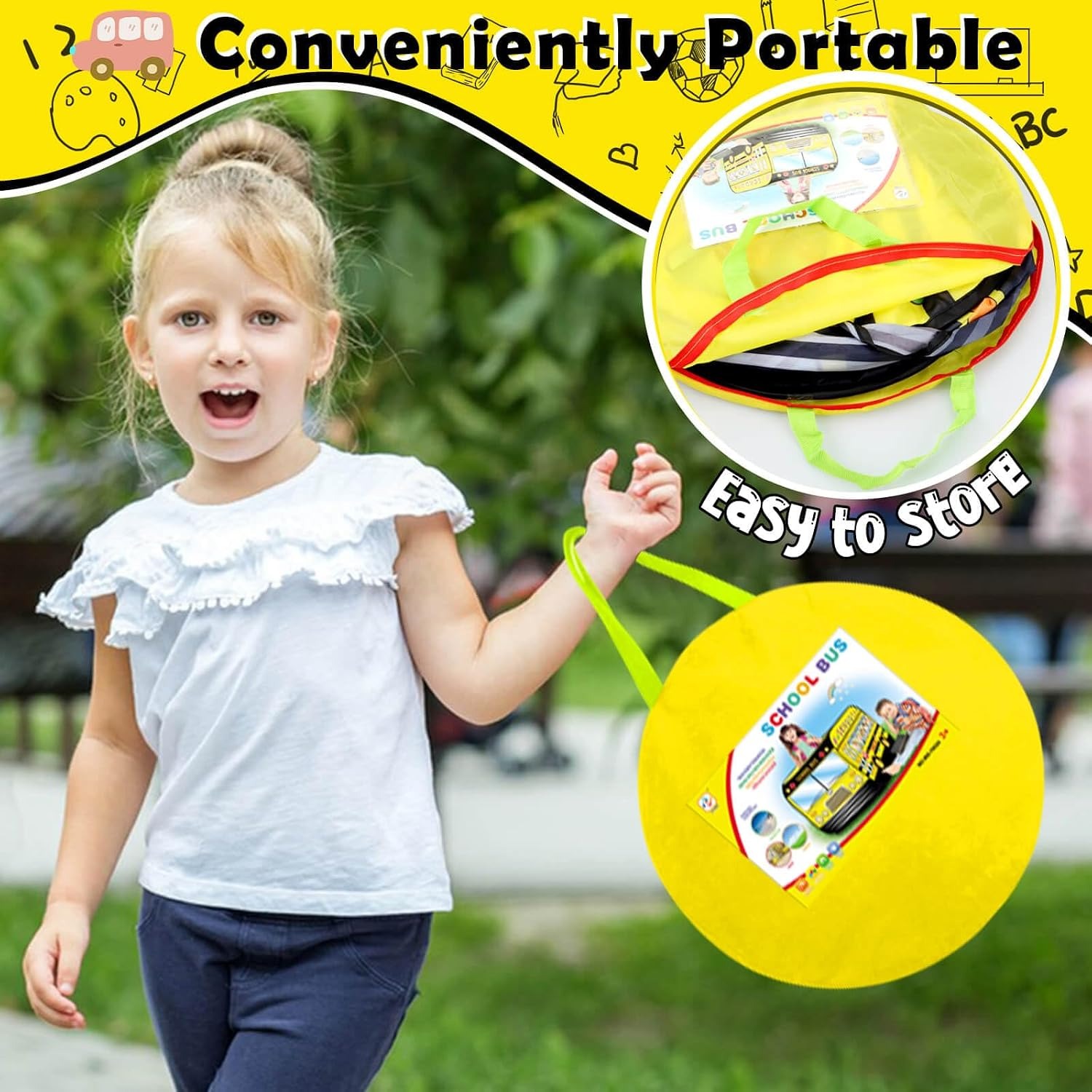
Folding back down is the other half of the trick. The packed carton for this tent is listed at 39.9 x 3 x 31 centimetres. Three centimetres thick is slim enough to slot behind a chest of drawers, which means the tent can live in a flat without permanently claiming floor space. If you are weighing up the best foldable play tent options for a small home, that packed thickness is a number worth comparing.
Who it suits
The manufacturer recommends ages 3 and up. That is the sweet spot for pretend play, where children have enough language and imagination to run a whole story without an adult directing it. Older children in the five to eight bracket still use tents, though they use them differently. They turn them into bases, hideouts and places to read without a sibling interrupting.
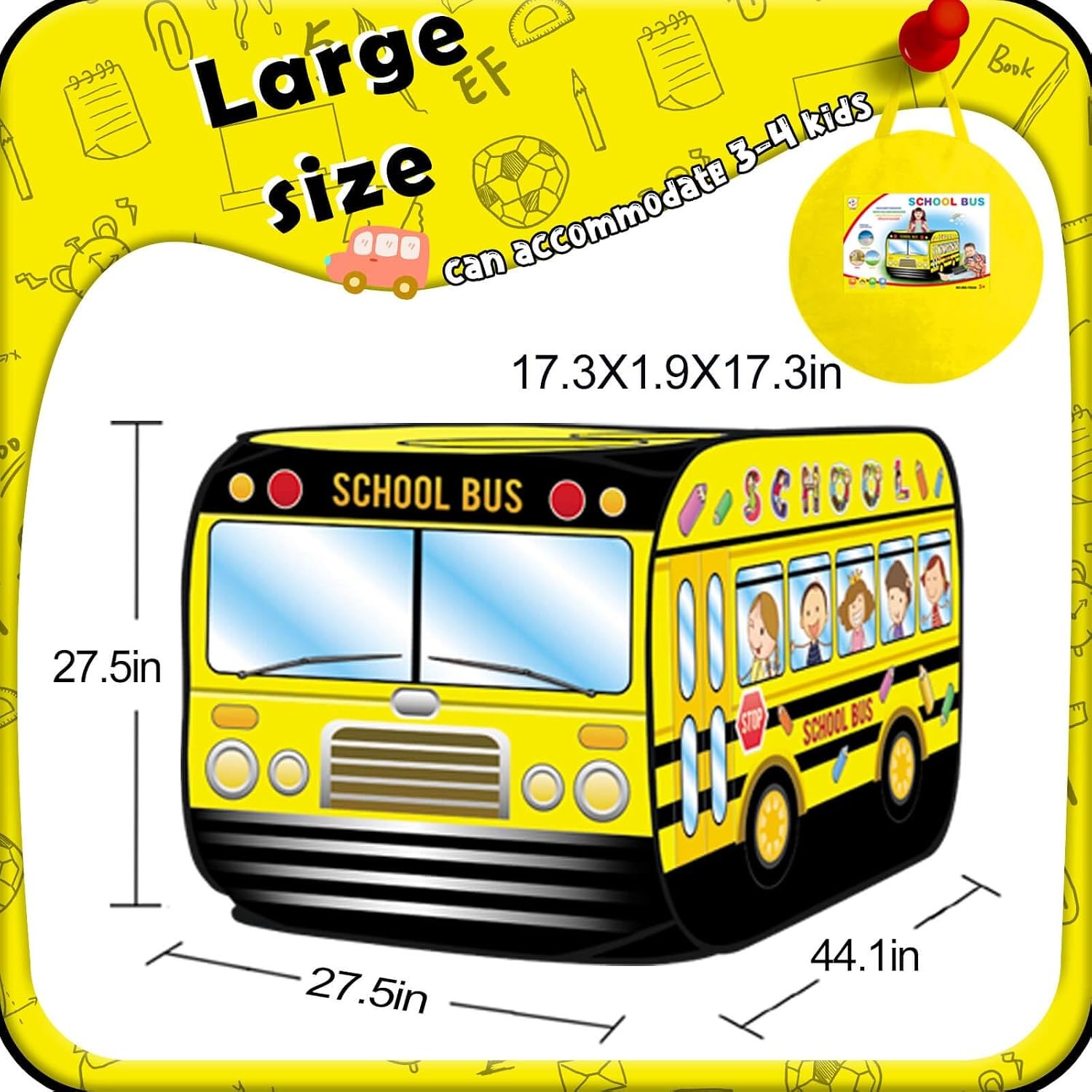
The listed size of 44.1 x 27.5 x 27.5 inches gives a floor area that two or three children can share comfortably, depending on what they are doing. That makes it a reasonable pick for families with more than one child, or for a household where friends come over regularly. One child alone will have room to spread out with books and soft toys.
It also suits families who move things around. This is not a wooden playhouse that gets bolted together once and stays put. It travels to the garden, into the car and across to the grandparents' living room. For anyone looking for the best travel play tent to keep in the boot, portability is the deciding factor.
Choosing between tent styles
There are roughly four families of children's tents on the market, and they solve different problems.
Themed character tents, like this truck, give the strongest imaginative hook. Children recognise the shape instantly and start playing without being prompted. The downside is that a very specific theme can date as a child's interests change, though vehicles tend to hold their appeal longer than a licensed character.
Plain teepees and dome tents look calmer in a living room and blend with adult decor. They are a good shout if the tent will be visible all the time. They ask a bit more of the child, since there is no built-in story.
Tunnel and ball-pit systems are brilliant for energy burning and terrible for tidy homes. They are better suited to a dedicated playroom or a garden.
Pop up styles, which this one falls into, prioritise speed and storage. If you are short on space, that trade is almost always worth it. The best indoor play tent for young children is usually the one you are willing to put up on a wet Tuesday, not the most elaborate one in the catalogue.
Things worth checking before you buy
Measure your corner first. A tent that looks modest in a photograph can swallow a chunk of a small living room once it is standing. Mark out the footprint with masking tape if you are unsure.
Think about light. Window openings and a doorway do two jobs. They let you see in from across the room, and they stop the inside feeling closed. Children who are wary of dark spaces do far better with an airy tent than a sealed one.
Consider the floor. This model does not list a separate floor panel, so a rug or a foam mat underneath makes the inside softer and warmer. On a hard patio, a mat also protects the base of the tent from grit.
Finally, be realistic about weather. The record here does not specify a waterproof rating, so treat it as a dry-day garden tent. Bring it in before the dew settles, and let it dry fully before it is folded. Damp fabric folded away is the fastest route to a musty tent.
Looking after it
Care is simple and mostly about habit. Wipe spills with a damp cloth and a little mild soap, then let the panels dry in the air. Skip the washing machine, the tumble dryer, bleach and the iron. The fabric sits on a steel frame, and none of those treatments do it any favours.
Keep the steel dry. If it gets rained on, dry it off before folding. Store the tent flat and out of direct sunlight, because strong sun fades bright fabric over time and yellow shows it more than most colours.
Every few months, give the seams and the frame a quick look. Catching a loose seam early is a five minute job. Catching it late is a new tent.
Teach children one rule from day one, which is not to climb on the roof. Fabric and steel handle crawling and leaning. They do not handle a six year old treating the tent as a trampoline.
Getting more out of it
A tent gets used more when it has a job. Put a basket of books inside and it becomes the reading corner. Add a torch and it becomes a camp. Hand over a clipboard and some parcels and the truck theme does the rest.
Rotating what lives inside also helps. Swap the soft toys for building blocks one week, then for drawing supplies the next. Children notice the change and the tent feels new again without anything new being bought.
Between sessions, it works as storage. Tip the soft toys in, zip or fold the door across, and the floor is clear. That dual use is a genuine advantage over a rigid playhouse, especially in a shared living room.
The short version
It is listed at 44.1 x 27.5 x 27.5 inches, needs no assembly, and packs down to a carton measuring 39.9 x 3 x 31 centimetres. The recommended age is 3 years and up, country of origin is China, and the manufacturer lists no warranty.
It suits families who want a quick, portable play space rather than a permanent structure. It works indoors in a bedroom or playroom, moves to the garden on a dry day, and folds flat when the room needs to be a room again. For a lot of households, that flexibility is worth more than a larger tent that never comes out of the cupboard.