
The complete guide
Choosing A Kids Play Tent That Actually Gets Used
The problem with most play tents
Buy a cheap play tent and you usually learn the same lesson twice. The first problem is size. A lot of them look fine in a photo and then turn out to be barely big enough for one child to sit in with their knees up. Siblings cannot both get in, so instead of solving arguments the tent starts them. The second problem is the frame. Thin wire hoops bend permanently after a few folds, and once the shape goes the tent never sits right again.
The third thing nobody mentions is storage. A tent that will not go back in its bag ends up shoved behind a wardrobe, and a tent behind a wardrobe never gets played with. All of which means the question is not really "which tent looks nicest" but "which tent is big enough, sturdy enough, and easy enough to put away that it stays in use."
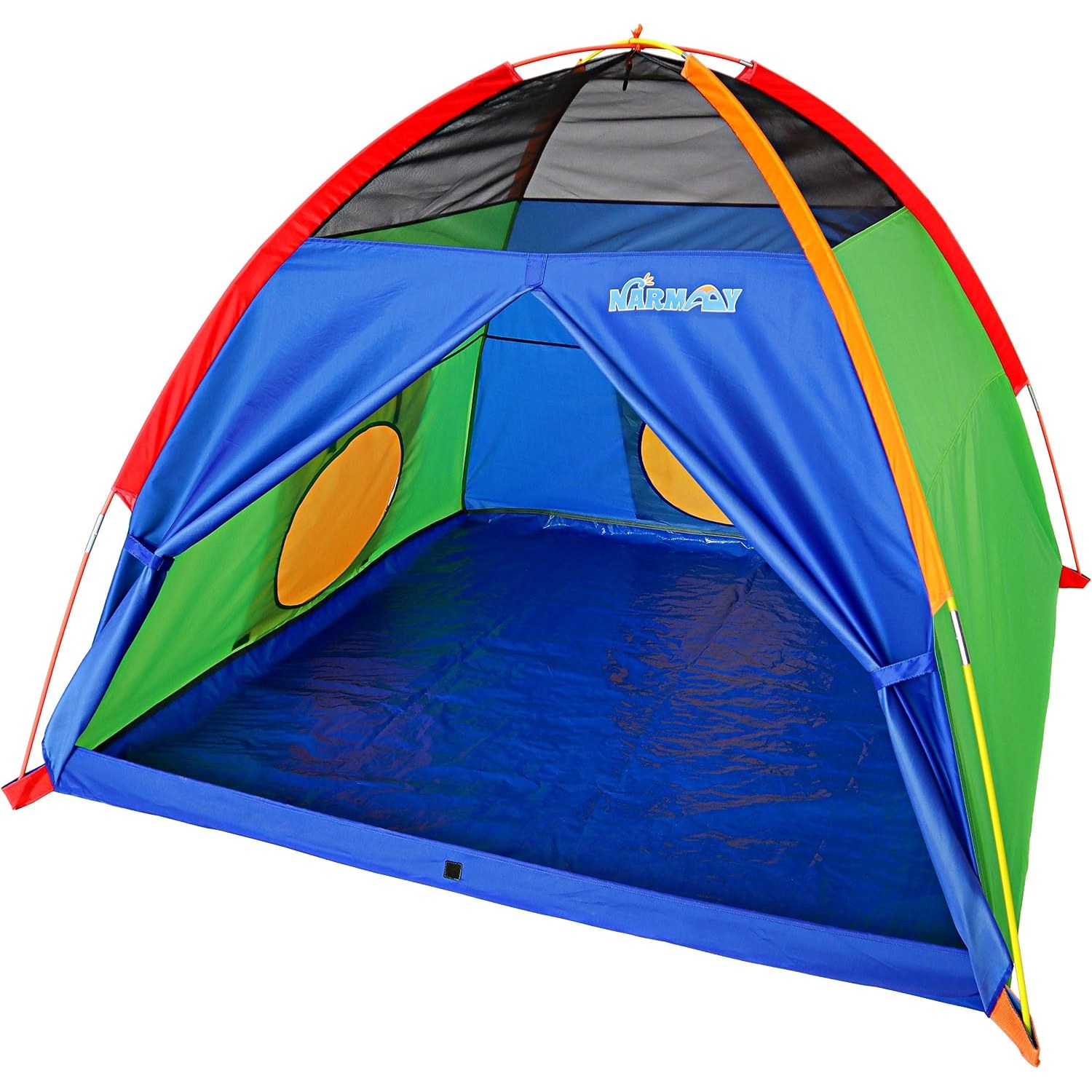
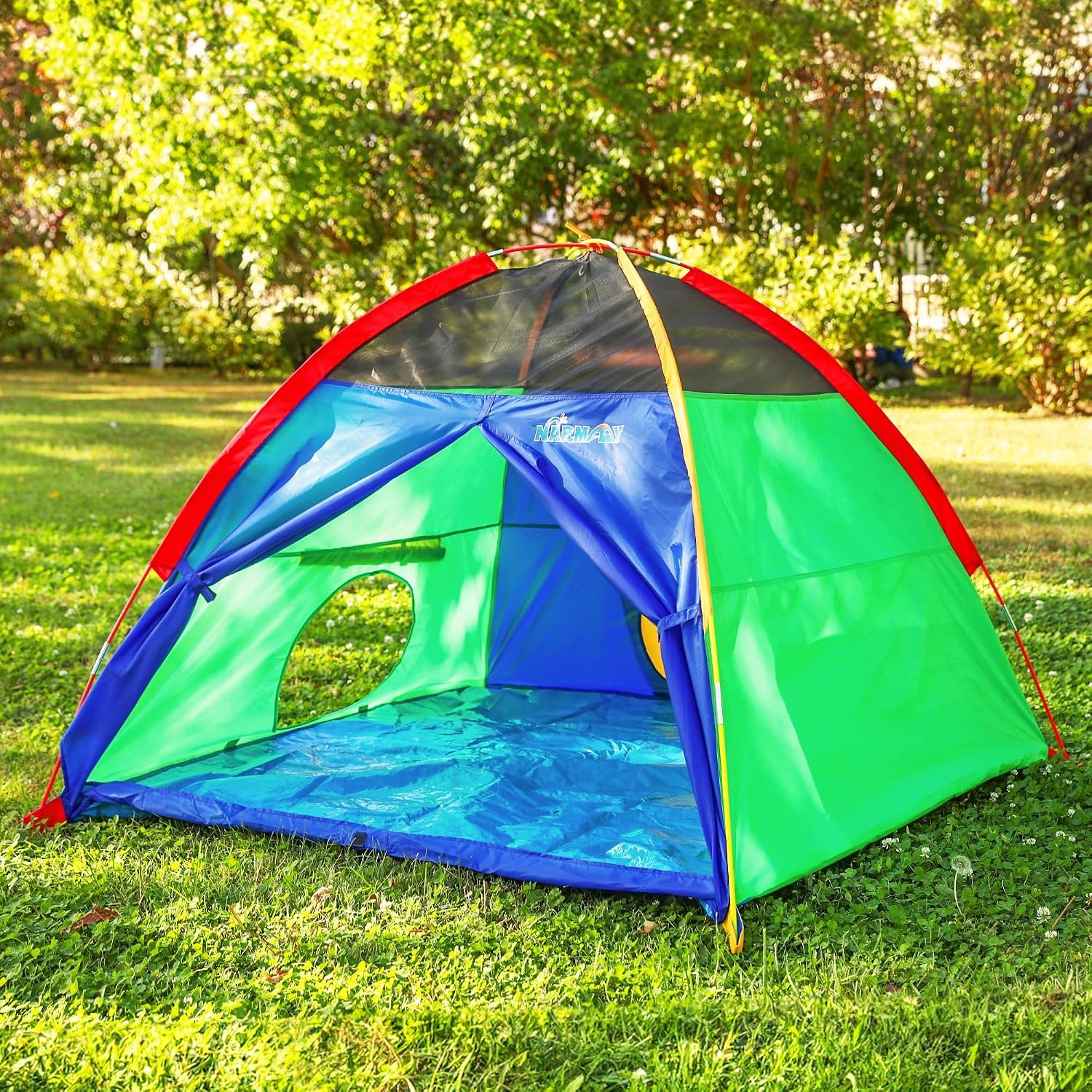
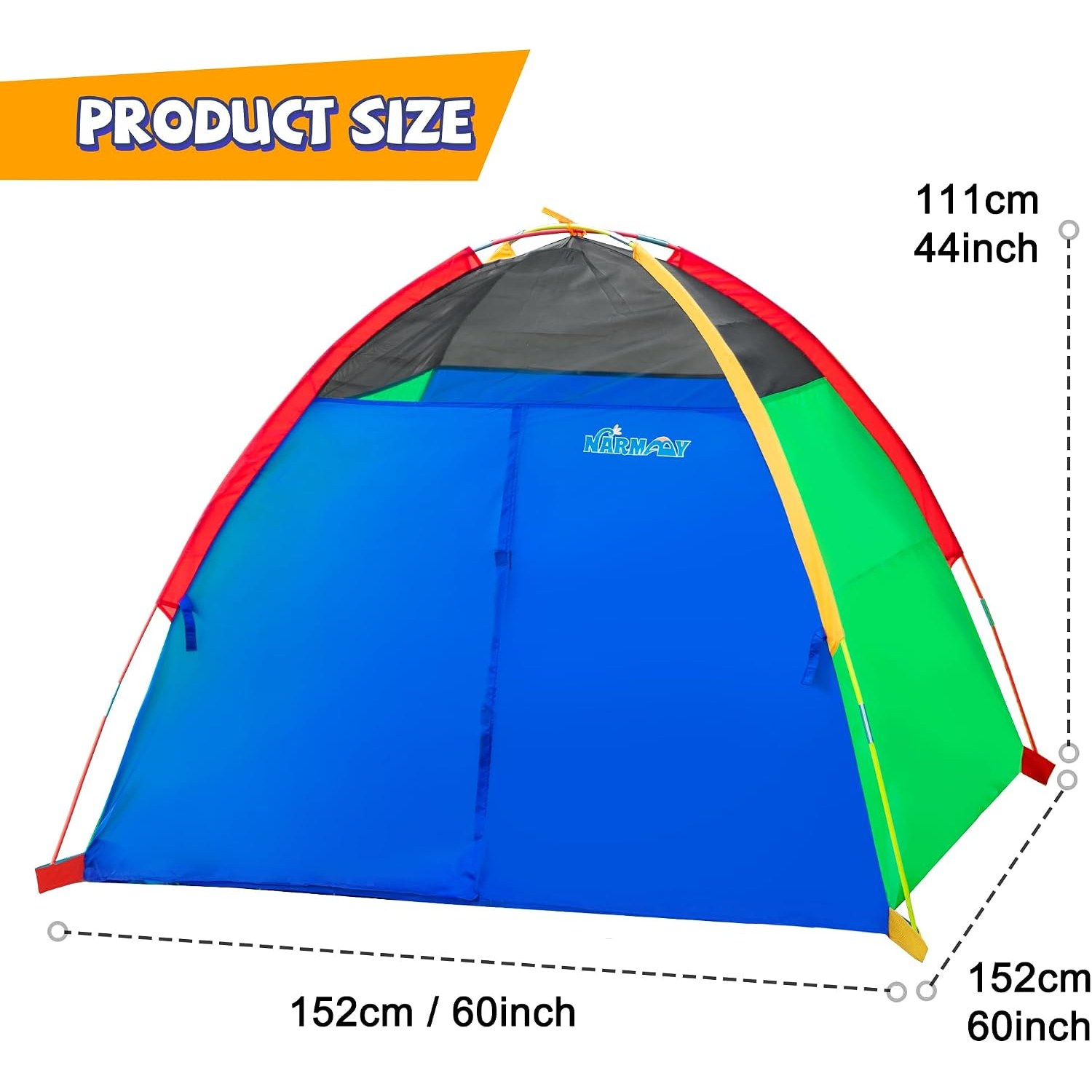
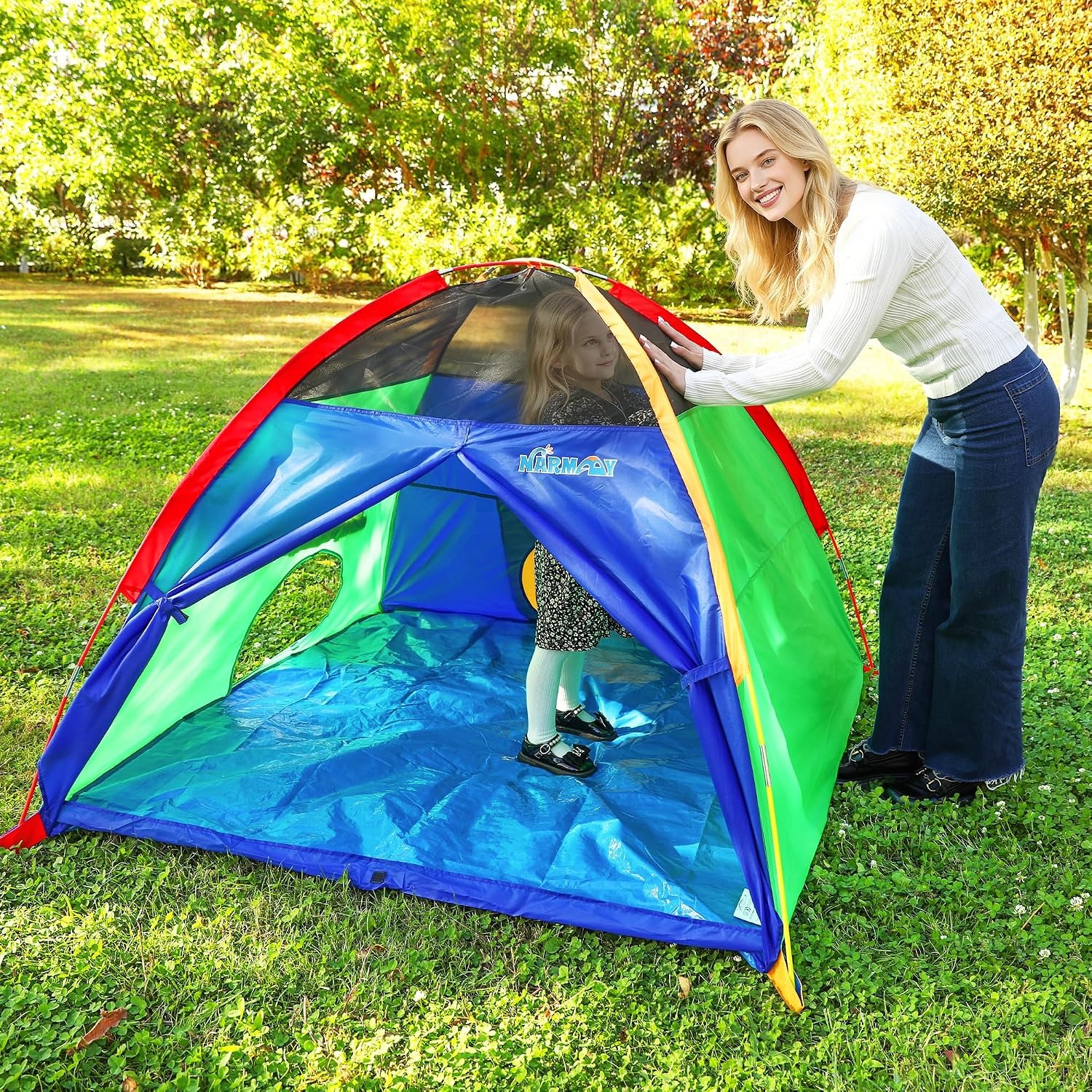
The the maker Easy Fun Dome Play Tent is built around those three points. It is 152 x 152 x 111 cm, which is a proper square of floor rather than a token one. It uses shock-corded fibreglass poles instead of wire. And it comes with a tote, so putting it away is a two-minute job rather than a wrestling match.
How a pole-framed dome works
There are two common ways to make a play tent stand up. Pop up tents use a sprung wire loop sewn into the fabric. You twist them flat and they spring open again. They are fast, but the wire is doing all the work and it does not like being twisted badly, which happens often with children around.
A pole-framed dome works more like a real camping tent. Separate pole sections are joined by an internal elastic cord, so when you pull them out of the bag they more or less assemble themselves. You feed the poles through sleeves or clips on the fabric, then bow them into an arch. The tension between the bowed poles and the fabric is what holds the dome up. That tension is also why the shape stays consistent, use after use.
Here the poles are fibreglass with a PE coating. Fibreglass flexes well, holds its curve and is light. The coating keeps the surface smooth so it slides through the sleeves rather than snagging. The trade-off against a pop up is about three extra minutes of setup. In return you get more headroom, a tent that survives being folded properly, and a structure children can lean on without it collapsing.
Who it suits
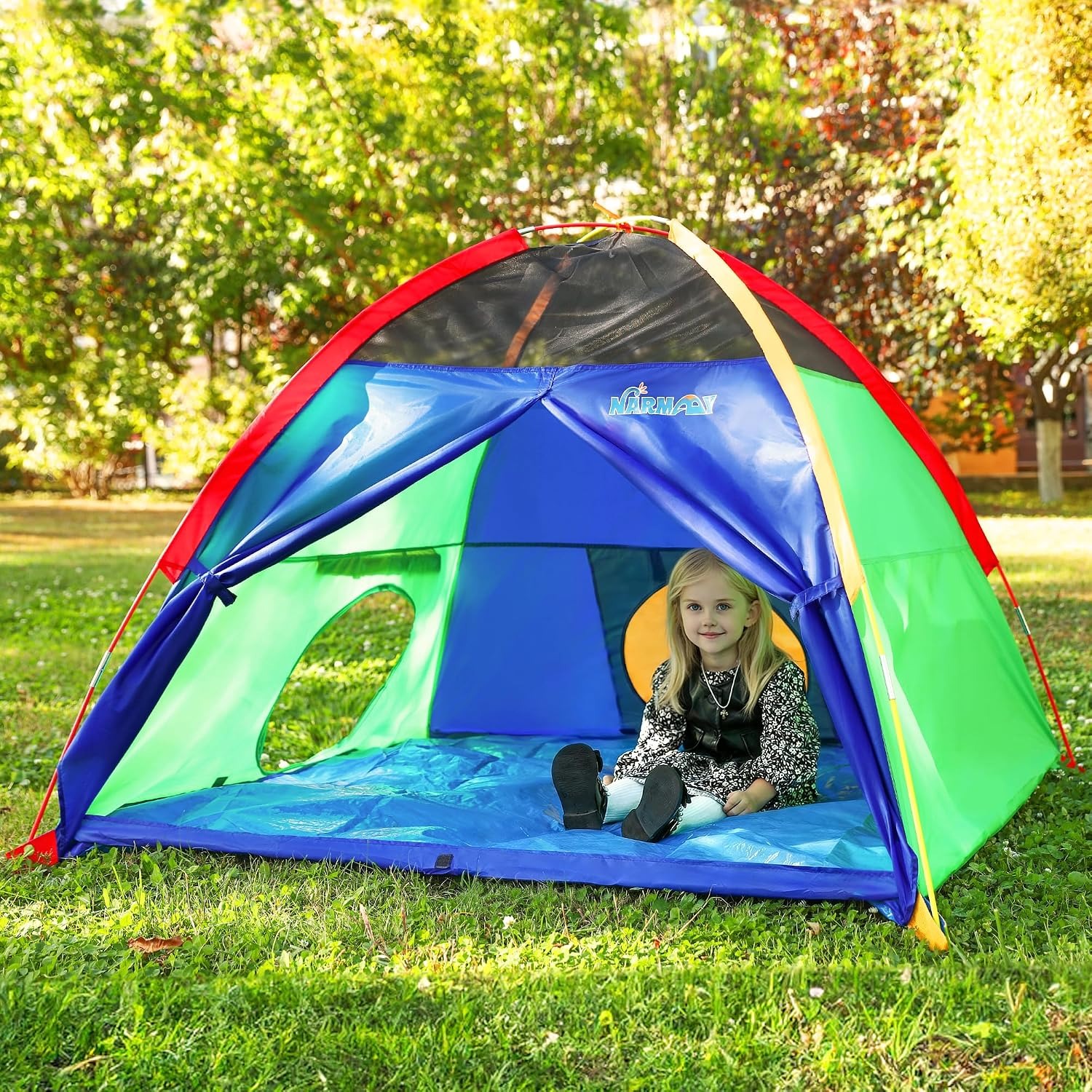
The recommended starting age is 36 months. In practice, three to eight is the sweet spot. Under three, a child is probably better off with something smaller and closer to the ground, and they need an adult nearby anyway.
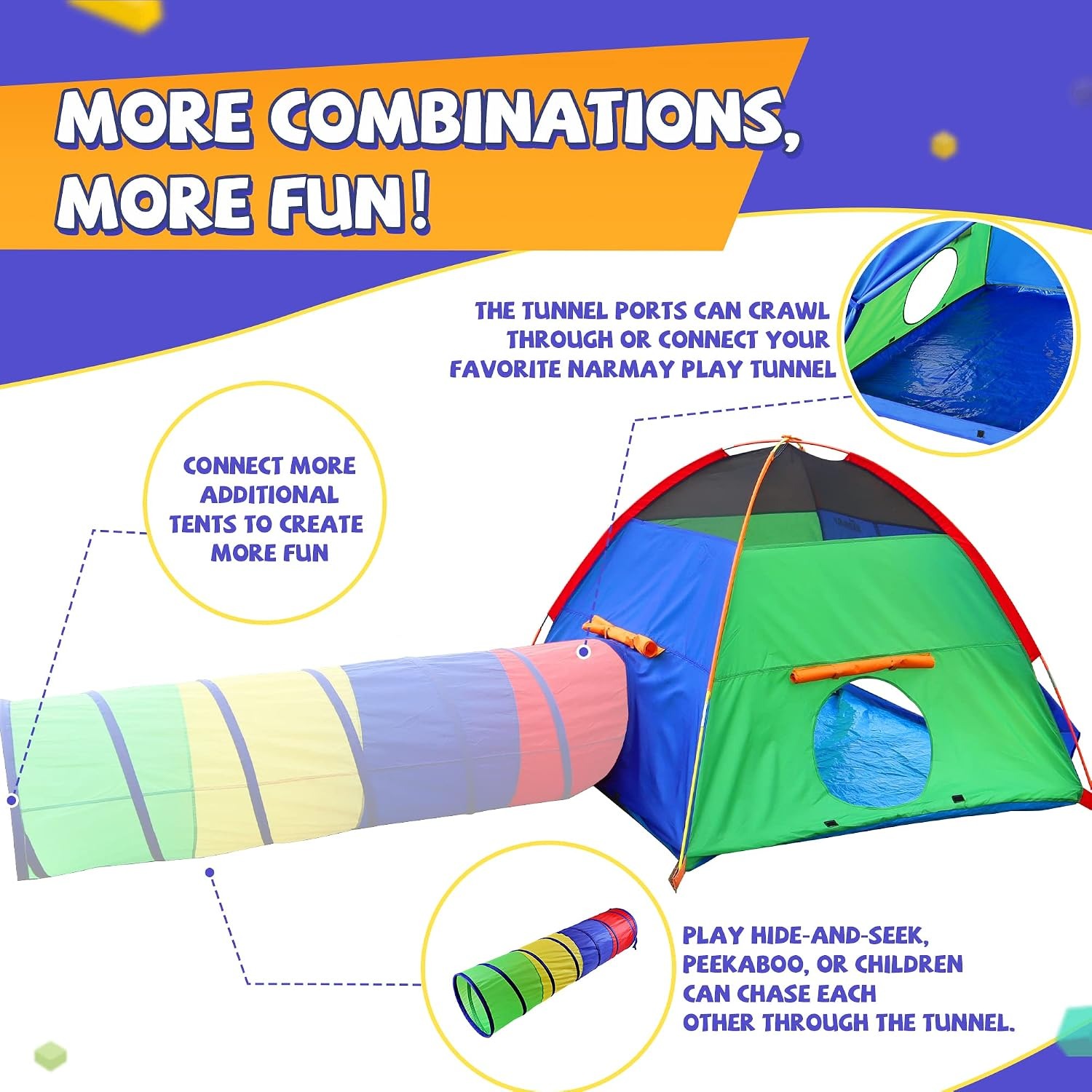
The dome shape suits any child who likes a hideaway. Some children use it as a house. Some use it as a cave, a spaceship or a shop. Older kids tend to drift towards using it as a reading nook, which keeps it earning its space well past the early years. Because there are two tunnel ports rather than one door, it also works for the kind of play where the point is simply running a loop through the house.
It is a sensible pick for families short on permanent play space. A tent that goes up on Saturday and back in the cupboard on Sunday does not eat into a small living room all week. It is also handy for grandparents who want something for visits without committing a room to it. Among options for the best play tent for a playroom, the deciding factor is usually whether it can disappear when you need the floor back, and this one can.
How to choose the right size
Measure before you buy. This is the single step most people skip and most regret. The footprint here is 152 cm square, so mark that out on your floor with a tape measure or some books and look at what it covers. Then add some clearance around the edges, because children do not enter tents gracefully.
Height matters as much as floor area. At 111 cm, a typical four or five year old can kneel up inside comfortably and a smaller child can stand. Adults will be crouching, which is normal for this type of tent, but it does mean you can lean in to pass snacks without flattening anything.
Think about doors too. Two tunnel ports on opposite sides change how children use the space. One entrance makes a den. Two makes a route. If you already own a crawl tunnel, check the diameter against the port before ordering, since not every tunnel matches every tent.
Finally, consider weight. At 1.13 kg the packed tent is light enough for a child to help carry, which matters more than you would think. Things children can move themselves tend to get moved outside on sunny days.
Indoors, outdoors, and the honest limits
Inside, this tent is straightforward. It sits on carpet or hard floor without marking either, and the built-in floor keeps dust off whatever the kids are sitting on. Add a rug and a couple of cushions and it becomes a proper corner.
Outside, treat it as a fair-weather structure. On a dry day on the lawn it makes a decent shaded base, and the mesh roof panels keep air moving so it does not turn into an oven. In wind, it needs weighting down from the inside or bringing in, because a light dome and a gust are not friends. It is not a camping tent and should not be used for sleeping outdoors.
Rain is the other limit worth being clear about. The floor is described as waterproof, which keeps damp ground from soaking through. The canopy has no rated waterproof figure in the information we have, so do not count on it for shelter in a downpour. Bring it in, dry it off, and it will be fine.
Keeping it in good shape
Care is simple and mostly comes down to two habits. First, clean it with a damp cloth and a little mild soap rather than putting it in a machine. Washing machines are rough on coated polyester and on any stitching around pole sleeves. Let it air dry fully.
Second, never pack it away damp. Fabric folded wet goes musty quickly and the smell is hard to shift. Shake out grass, sand and crumbs, check the inside, then fold. The tote does the rest.
Handle the poles with a bit of care and they will last. Let the shock cord draw the sections together rather than yanking them apart, and do not force a pole into a sleeve if it catches. If you are looking for the best play tent with storage bag for a household that uses it often, the bag is only useful if the poles go back in it undamaged, so slow hands at packing time pay off.
The short version
This is a large, light, pole-framed dome play tent with two tunnel ports, mesh roof panels and an included storage tote. It measures 152 x 152 x 111 cm, weighs 1.13 kg, and suits children from about three years up. Assembly is required and takes a few minutes.
Buy it if you want real floor space rather than a token one-child pod, if you need something that packs away properly, and if you like the idea of linking it to a tunnel later. Measure your floor first, keep it out of strong wind, and dry it before storing. Do that and it will stay in service long past the first birthday it arrives for.